

304 and 304L stainless steel: What is the difference? A detailed comparison
304 and 304L stainless steels are both widely used austenitic stainless steel grades, known for their good corrosion resistance, mechanical properties, and excellent formability. However, their different carbon contents result in some distinct characteristics, particularly in welding applications and resistance to intergranular corrosion after welding. So, what are the key differences between 304 and 304L stainless steel, and which grade is more suitable for different applications?
1. Chemical Composition
The main difference between 304 and 304L stainless steel is their carbon content. Grade 304 has a maximum carbon content of approximately 0.08%, while 304L is controlled at ≤ 0.03%. The lower carbon content of 304L reduces the risk of chromium carbide precipitation at grain boundaries when exposed to elevated temperatures, particularly during welding.
2. Mechanical Properties and Corrosion Resistance
304 and 304L stainless steels generally have similar mechanical properties and corrosion resistance under normal service conditions. However, the lower carbon content of 304L helps reduce sensitization in the heat-affected zone (HAZ) during welding, helping maintain better resistance to intergranular corrosion. As a result, 304L is particularly suitable for large welded structures and applications where enhanced corrosion resistance after welding is required.
3. Applications
304 stainless steel is widely used in household appliances, medical equipment, construction, food processing, chemical processing, automotive components, and various industrial applications due to its good corrosion resistance and excellent formability. 304L, meanwhile, is commonly selected for welded structures, equipment, and piping systems with extensive welding, particularly in the chemical, oil and gas, food processing, and construction industries. Where resistance to intergranular corrosion after welding is an important requirement, 304L is generally a more suitable option.
4. Cost
Due to the tighter control of carbon content, 304L stainless steel is generally more expensive than 304. The actual price difference depends on factors such as product specifications, order quantity, manufacturer, and market conditions at the time of purchase. As a general reference, 304L may cost approximately RMB 300–500 per ton more than 304.
5. Hardness
Due to its slightly higher carbon content, 304 stainless steel generally has slightly higher hardness than 304L. However, the difference is relatively small, and both grades belong to the austenitic stainless steel family, which cannot be hardened through conventional heat treatment. Actual hardness also depends on the material condition and the degree of cold working.
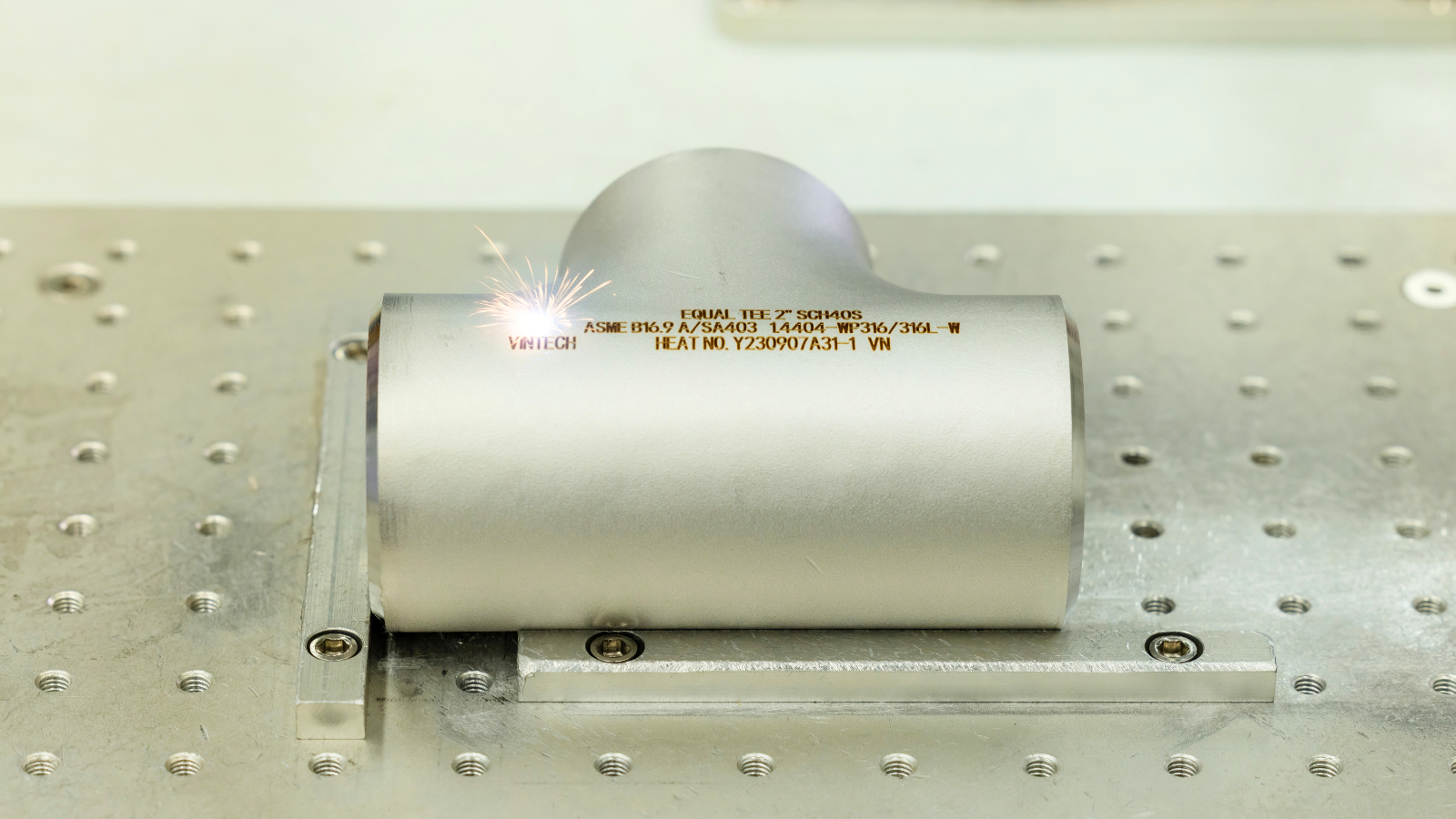
Overall, 304 and 304L stainless steels share many similar characteristics but differ in carbon content, post-weld corrosion resistance, hardness, and cost. Grade 304 is suitable for a wide range of general applications, while 304L is particularly suitable for welded structures and applications requiring improved resistance to intergranular corrosion after welding. Vintech Fittings supplies stainless steel pipe fittings in 304/304L and 316/316L grades, with various specifications and standards available to meet different project requirements. Contact Vintech Fittings to discuss the right fitting solution for your application.


Các tin khác


- Hotline : (+84 273) 364 2558
- Email : sales@vintechfittings.vn